
Best Materials and Construction Methods for Cold-Resistant Exterior Doors
When it comes to harsh climates, selecting the right exterior door is crucial in ensuring energy efficiency, durability, and protection against extreme weather conditions. Below, we delve into the best materials and construction techniques that make exterior doors suitable for cold and unforgiving environments.
Optimal Materials for Cold-Resistant Exterior Doors
Not all materials are created equal when it comes to resisting freezing temperatures. Here are the most effective materials:
- Fiberglass: One of the top choices, fiberglass doors are not only resistant to warping but also provide excellent insulation.
- Steel: Steel doors are highly durable and energy-efficient when paired with insulating foam cores. They are also resistant to cracking in low temperatures.
- Wood with an Insulated Core: Wood provides a classic look and, when combined with advanced insulation techniques, can be suitable for cold climates.
- Composite Materials: Combining multiple materials like wood and fiberglass can offer increased thermal resistance and durability.
Effective Construction Methods for Exterior Doors
The construction of the door plays a significant role in its ability to withstand cold climates. Here are the most effective techniques:
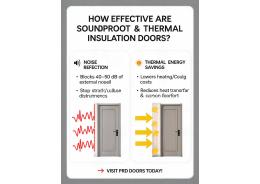
- Multi-Layered Insulation: Modern doors utilize foam-filled cores made of polyurethane or polystyrene for excellent thermal efficiency.
- Thermal Breaks: Thermal breaks involve separating the door face and frame to reduce heat transfer.
- Weatherstripping: High-quality weatherstripping seals gaps to prevent drafts, keeping the warm air inside.
- Impact-Resistant Glass: For doors with glass panels, double or triple-pane glass with argon gas filling provides optimum insulation and resistance to cold weather.
Why Cold-Resistant Doors Matter
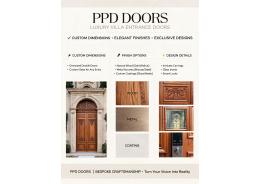
Choosing a door designed for harsh climates not only enhances your comfort during winter months but also reduces energy bills and prevents potential damage caused by freezing temperatures. For a durable, aesthetically pleasing solution, consider working with specialized door manufacturers like PPD Doors.
Conclusion
Investing in high-quality, cold-resistant exterior doors is essential for homes in harsh climates. By selecting the right materials such as fiberglass, steel, or insulated wood, and applying advanced construction techniques, you can ensure your door stands the test of time and extreme weather. For more options and expert advice, visit PPD Doors.



 English
 German
 French
 Russian
 Spanish
 Japanese
 Korean
 Portuguese
 Ukrainian
 Arabic
 Italian