How Reliable Are Smart Locks in Extreme Weather Conditions?
Smart locks have become increasingly popular due to their convenience and modern features. However, one common question remains: how reliable are they in extreme weather conditions such as freezing winters or scorching summers? In this blog, we’ll explore their performance under harsh weather and discuss battery life expectations.
Performance in Extreme Weather
One of the biggest concerns with smart locks is their ability to withstand extreme temperatures. Modern smart locks are designed to handle varying weather conditions, but their reliability can depend on the materials, build quality, and the specific model.
- Extreme Cold: High-quality smart locks are typically tested to function in temperatures as low as -20°F (-28°C). However, freezing temperatures can sometimes cause batteries to deplete faster, so ensuring your lock’s batteries are rated for cold climates is vital.
- High Heat: Many smart locks can operate in temperatures up to 140°F (60°C). Durable materials like stainless steel or hardened plastic help prevent warping or malfunctioning in high heat conditions.
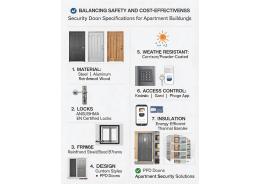
- Moisture and Rain: Models with IP ratings (e.g., IP65) are better equipped to handle rain and humidity. Look for locks explicitly advertised as weather-resistant to ensure performance in these conditions.
What About Battery Life?
The battery life of smart locks is another critical factor to consider, especially when dealing with extreme weather. Typically, most smart locks can last anywhere from 6 months to 1 year on a set of batteries. However, several factors can impact this:
- Cold Weather: Low temperatures can cause batteries to drain faster, so lithium batteries, which are better suited for colder climates, are recommended over alkaline batteries.
- Wireless Connectivity: Features like Bluetooth, Wi-Fi, and remote app access can also affect battery life. Using these features less frequently can extend the battery duration.
- Usage: High traffic through your door, requiring frequent unlocking and locking, will naturally consume more battery life.
Modern smart lock systems often provide low battery alerts. To avoid being locked out, it’s important to act on these alerts promptly or use models with backup key entry options.
Conclusion
In summary, smart locks are generally reliable in extreme weather conditions, provided you choose a high-quality model with appropriate weather resistance ratings. To maximize battery life, consider your climate and usage patterns. Brands featured on ppddoors.com offer various smart locks designed to handle different environments, ensuring safety and convenience year-round.

 English
 German
 French
 Russian
 Spanish
 Japanese
 Korean
 Portuguese
 Ukrainian
 Arabic
 Italian