How to Evaluate the Durability and Anti-Corrosion Performance of Steel Door Materials
Steel doors are widely used in residential, commercial, and industrial spaces due to their strength, durability, and security benefits. However, not all steel doors are created equal, particularly when it comes to their ability to resist wear and corrosion. Here are some key factors to consider when evaluating the durability and anti-corrosion performance of different steel door materials.
1. Type of Steel Material
The type of steel used in the door plays an important role in its overall performance. Common types include:
- Galvanized Steel: Coated with a layer of zinc, this type of steel offers excellent resistance to rust and is ideal for outdoor installations.
- Stainless Steel: With chromium content, stainless steel provides outstanding corrosion resistance and is perfect for environments with high moisture levels.
- Cold-Rolled Steel: Known for its strength and smooth finish, this material requires proper protective coatings to prevent corrosion.
2. Surface Finish and Coatings
Protective coatings and finishes significantly enhance the life of steel doors. Look for finishes such as:
- Powder Coating: Offers a durable, uniform finish that resists rust, scratches, and fading.
- Electroplating: A thin layer of metallic coating for added corrosion resistance.
- Paints and Primers: High-quality paint with anti-corrosion primers extends the lifespan of steel doors.
3. Environmental Conditions
The environment where the steel door will be installed is crucial. Factors like humidity, salinity, and exposure to extreme weather conditions play a significant role in determining the durability of the door. For instance:
- Coastal areas with high salt content in the air require doors with superior anti-corrosion properties.
- Doors installed in industrial areas should withstand chemical exposure and pollutants.
4. Manufacturing Standards
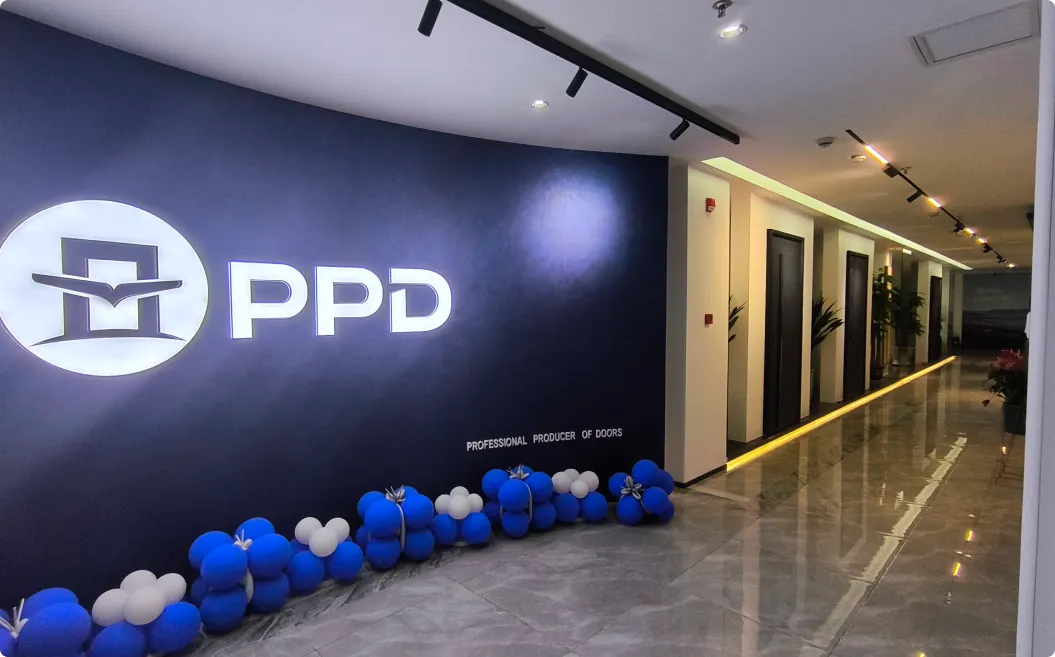
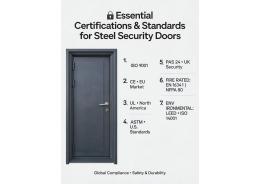
Evaluate the manufacturer’s reputation and compliance with industry standards. Companies like PPD Doors offer steel products that meet international quality benchmarks, ensuring long-lasting performance and reliability.
5. Maintenance Requirements
Regular maintenance, including cleaning and applying protective solutions, can extend the life of your steel door. Always follow the manufacturer’s care instructions to maximize durability and resistance to corrosion.
Conclusion
When selecting a steel door, carefully assess the material type, surface finish, environmental factors, and manufacturer standards for quality. By taking these considerations into account, you can ensure that your steel door offers optimal performance and longevity.
For more information on high-quality steel doors, visit PPD Doors.




 English
 German
 French
 Russian
 Spanish
 Japanese
 Korean
 Portuguese
 Ukrainian
 Arabic
 Italian