Aug 15,2026
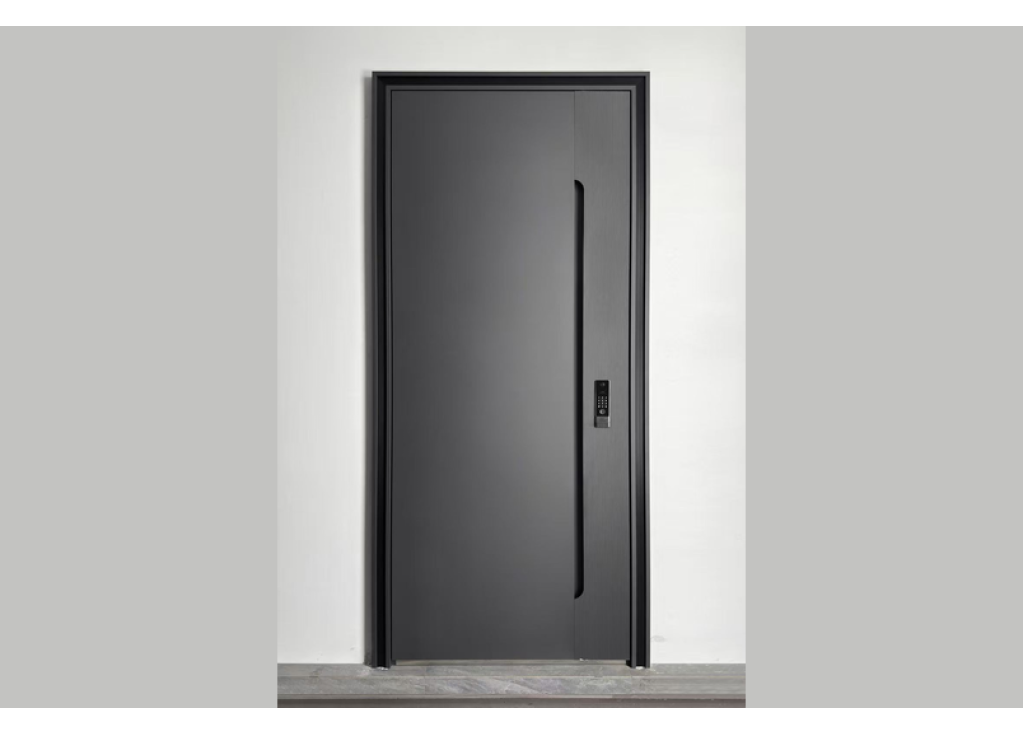
As demand for smart security doors continues to grow across Russia and Northern Eurasia, extreme winter conditions create significant challenges for biometric and electronic entry systems. Temperatures reaching -30°C to -40°C can rapidly reduce battery performance, stall locking motors, freeze biometric sensors, cause condensation, and create thermal bridges through metal hardware. To ensure reliable operation, cold-climate smart doors must combine low-temperature-resistant power systems, high-torque motors, protected electronic circuits, thermal-break structures, multi-layer insulation, and flexible weatherstripping. Factory-level integration is particularly important because it allows manufacturers to precisely install locking mechanisms, wiring channels, sensors, and reinforcement without compromising the door’s insulation or structural strength. A properly engineered system can also improve resistance to frost, moisture, and severe temperature fluctuations. By integrating advanced biometric access technology with heavy-duty steel construction, thermal insulation, and multi-point security hardware, manufacturers can deliver durable, energy-efficient, and secure entrance solutions designed specifically for harsh northern climates. This approach helps distributors and construction companies reduce installation risks, improve product reliability, and offer higher-value security door solutions for residential, commercial, and luxury building projects in extreme cold regions.








 English
 German
 French
 Russian
 Spanish
 Japanese
 Korean
 Portuguese
 Ukrainian
 Arabic
 Italian